Why the deadlift still teaches the whole lift
The bar refuses to lie: what the deadlift diagnoses, and what to watch in your own setup.
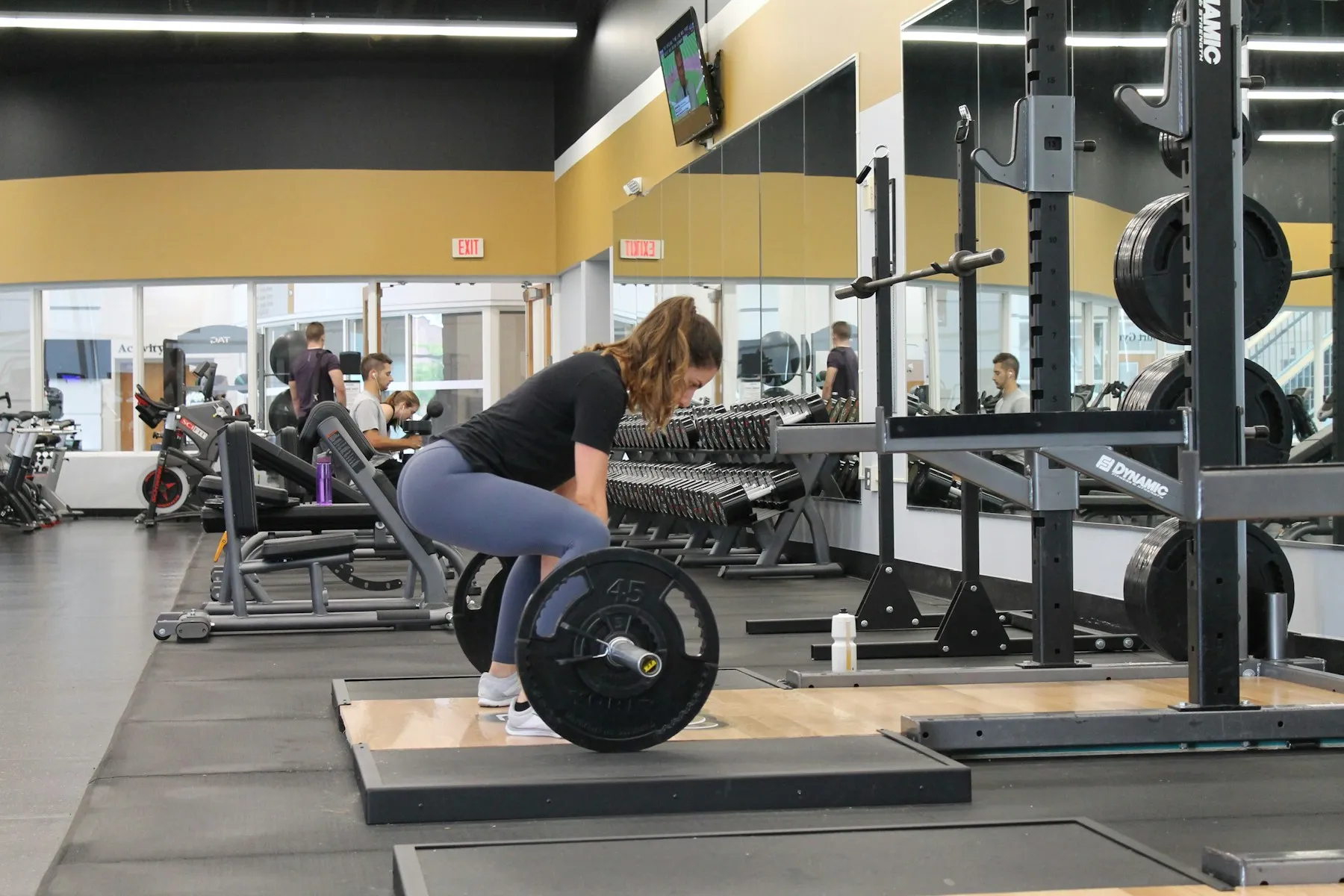
Walk into most serious gyms and the deadlift platform is still the busiest square footage in the room. Not because it is glamorous - it isn’t - but because the lift refuses to lie. A rounded back, a lazy setup, or a rushed pull all show up immediately, either in the bar path or in the next morning’s soreness.
Why it matters
Coaches use the deadlift as a diagnostic tool as much as a strength builder. Watching someone set up reveals how they brace, how they sequence hip and knee extension, and whether they can hold a neutral spine under load. Those same patterns carry over into carrying groceries, lifting a child, or getting up off the floor without wincing - which is the real argument for training it at all.
What each fault is telling you
| What you see | What it usually means | What to fix first |
|---|---|---|
| Hips shoot up first | The legs never took the load | Slower setup, heavier brace |
| Bar drifts away from the shins | Lats not engaged | ”Squeeze oranges in your armpits” |
| Back rounds near the floor | Too heavy, or too deep a setup | Drop the weight, raise the bar |
| Lockout finishes with a lean back | Over-extending to “finish” | Stand tall, stop there |
| Sore lower back next morning | The hinge became a lift with the spine | Back to lesson three |
The bar doesn’t care how motivated you are. It only cares whether the position is right before the pull starts.
What to watch
The current shift in coaching is away from chasing a heavier number and toward better setup cues: hips lower, lats engaged, weight through the whole foot. Expect more gyms to program deadlift variations - trap bar, block pulls, deficit work - specifically to patch individual weaknesses rather than to test a one-rep max every few weeks.
How heavy should my first working set be?
Light enough that the fifth rep looks like the first, which for most people is much lighter than they expect. If you are wondering whether it is too light, it is the right weight.
Should I be testing a one-rep max?
Not in your first year. A max tests the pattern you already have; the reps are what build it. Test one at the end of twelve months if you are curious, then go back to reps.
Progress is saved to your account.
This lesson is part of the full course
Enroll once and own it forever - every lesson, the quiz, and all future updates to Strength Foundations.
Or get every course with the All-Access Pass - $149 once.
Already enrolled? Check your account.